

About LearnSpace
LearnSpace provides specialised early intervention support for autistic children and children with developmental delay or differences, helping them build the foundational skills needed to communicate, learn, and participate confidently in everyday life.
We work across home, early learning and school environments, and in the community - supporting children in the spaces where development naturally happens.
Our approach is grounded in child development, play-based learning, and strong collaboration with families and professionals.
With both professional expertise and personal experience navigating early intervention, LearnSpace brings a connected, understanding approach focused on what makes a meaningful difference.
Our Approach
At LearnSpace, support is:
Neuroaffirming and Strength-Based
Strengths and interests are used as the foundation for learning, and differences are respected, not “corrected”.
Evidence-Based Intervention Practices
Strategies are grounded in early intervention best practices and grounded in a deep understanding of how children learn and grow.
Holistic Development
We focus on nurturing the whole child, fostering growth and development across all areas of a child's life - social and emotional, cognitive, communication, independent self-help and fine motor skills.
Play-Based Learning
Learning happens through engagement, connection, and meaningful experiences.
Collaborative
Working alongside families, therapists, and educators to ensure consistency
Individualised
No two children are the same - sessions are tailored to each child’s strengths, needs, and goals.
Family-Centered
You’re part of the process, with guidance and strategies you can use every day.

Meet our Founder & Early Childhood intervention Practitioner

Hi, my name is Jennifer and I’m so glad you’re here.
I’m the heart and soul behind LearnSpace - a qualified Early Childhood Teacher, Early Intervention Practitioner, and Key Worker, as well as a mum of two boys. I graduated from Queensland University of Technology with a Bachelor of Education (Early Childhood) with Honours, specialising in inclusive education. This has shaped my strength-based, child-centred approach and deep interest in understanding how children think, learn, and experience the world.
LearnSpace was created from both my professional experience and my personal journey.
Over the years, I’ve supported children across a range of settings - including homes, early learning centres, school, and in the community. My work is highly collaborative, and I’ve worked closely alongside speech pathologists, occupational therapists, physiotherapists, psychologists, as well as educators, teachers, and school teams. This multidisciplinary approach allows me to provide support that is consistent, practical, and meaningful across all environments in a child’s life.
My passion for early intervention is also deeply personal.
When my second son was born, he required immediate medical intervention following complications during birth. He was later diagnosed with permanent hearing loss in both ears and identified as being at risk of motor impairments, intellectual disabilities, and speech and language delays. Walking this path as a parent gave me a profound understanding of just how critical early, targeted support is - not only for a child’s development, but for a family’s confidence and ability to support their child in everyday life.
That experience continues to shape how I work today - bringing together professional knowledge with empathy and understanding.
At LearnSpace, my focus is simple: supporting children to build meaningful skills, and empowering families to feel confident in how to support their child - because the small, everyday moments are where the biggest growth happens.
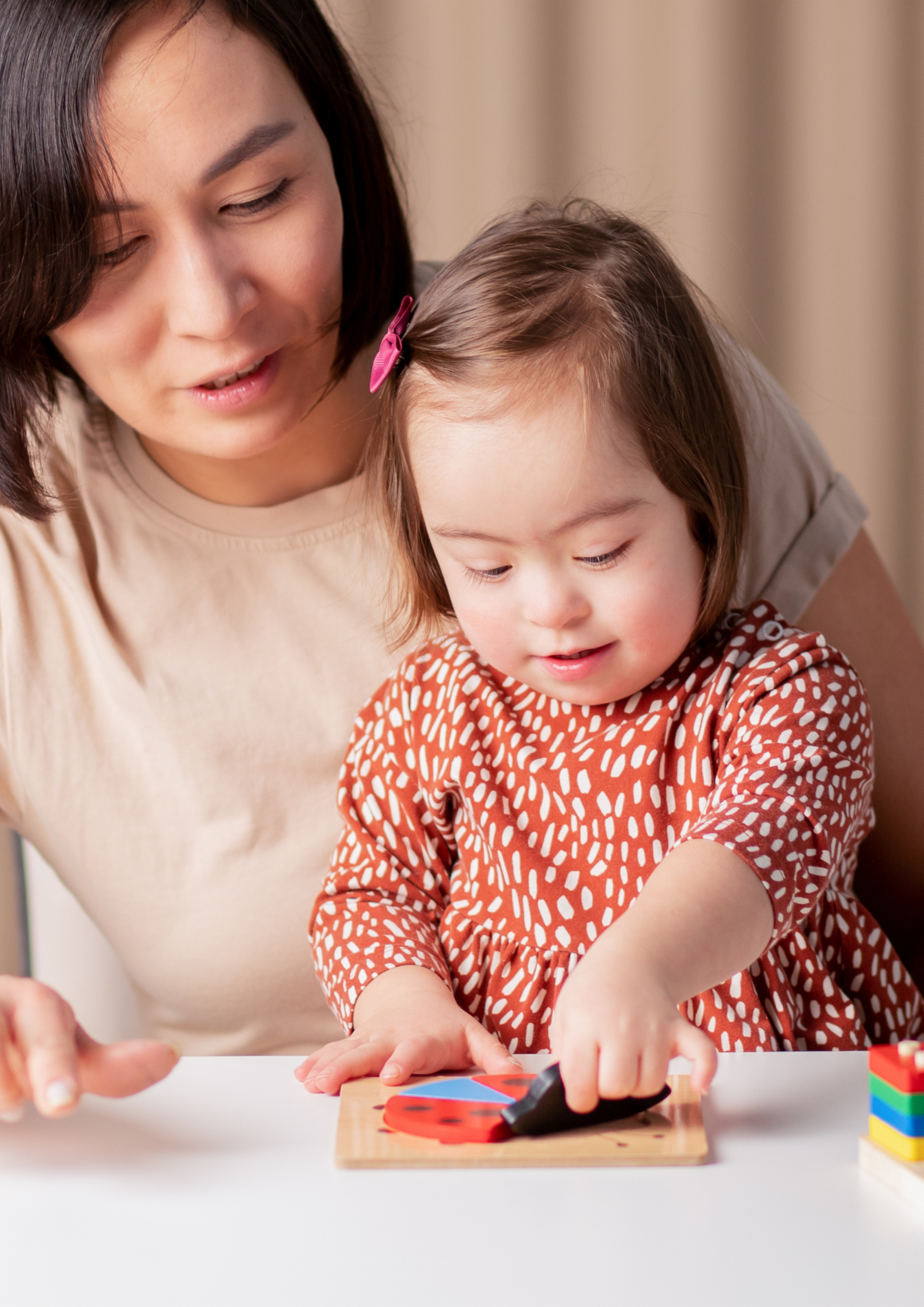
What Is an Early Childhood Intervention Practitioner?
An Early Childhood Intervention Practitioner (ECIP) is a professional who specialises in child development and early learning across the early years.
While allied health professionals such as Speech Pathologists and Occupational Therapists focus on specific developmental areas (e.g. communication, sensory processing, motor skills), an ECIP provides a holistic, development-focused approach.
An ECIP:
Supports overall development across communication, social, cognitive, and play skills
Focuses on how children learn through play and everyday routines
Helps children work towards developmental milestones
Supports participation across all environments (home, early learning, community)
Works closely with families and other professionals to ensure consistent, integrated support
why this role matters
Children benefit most when their support team works together. An ECIP plays a key role in:
Bringing together strategies from different therapists into everyday practice
Supporting skill development in real-life contexts, not just structured therapy sessions
Helping families and educators understand how to support learning throughout the day
Ensuring goals are meaningful, functional, and achievable
Rather than replacing allied health services, an ECIP complements and strengthens them - creating a more cohesive and effective support system around the child.